ISLAMABAD: Pakistan and the International Monetary Fund have reached a staff-level agreement on the third review of the Extended Fund Facility (EFF) and the second review under the Resilience and Sustainability Facility (RSF), paving the way for a fresh disbursement of $1.21 billion.
According to an IMF statement, the agreement—subject to approval by the Executive Board—will unlock about $1.0 billion (SDR 760 million) under the EFF and $210 million (SDR 154 million) under the RSF. This will bring total disbursements under both programmes to approximately $4.5 billion.
The IMF noted that Pakistan’s economy has shown signs of recovery, with improved growth momentum during the current fiscal year. Inflation and the current account have remained relatively contained, while external buffers have strengthened.
However, the Fund cautioned that ongoing geopolitical tensions in the Middle East pose risks to the outlook, particularly through rising energy prices and tighter global financial conditions, which could exert pressure on inflation, growth, and the external account.
The authorities reaffirmed their commitment to maintaining prudent macroeconomic policies to sustain stability and deepen structural reforms. Key priorities include achieving a primary surplus of 1.6% of GDP in FY26 and targeting 2% in FY27 through enhanced revenue mobilisation and expenditure discipline.
Efforts to broaden the tax base are underway, led by reforms within the Federal Board of Revenue, including strengthened audits, digital invoicing, production monitoring, and improved governance. A newly established Tax Policy Office is also working on a medium-term reform strategy to ensure stability and neutrality in taxation.
On the social front, the government aims to strengthen safety nets through the Benazir Income Support Programme, expanding coverage and increasing cash transfers to protect vulnerable households from rising food and fuel prices.
The IMF emphasised the importance of maintaining a tight and data-driven monetary policy, with the State Bank of Pakistan prepared to adjust interest rates if inflationary pressures intensify. Exchange rate flexibility will continue to act as a key shock absorber.
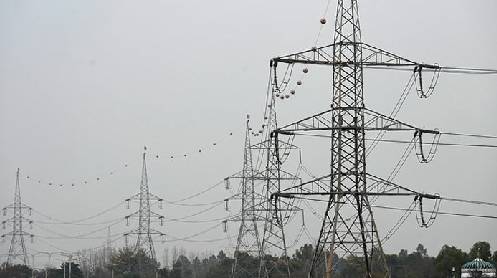
Energy sector reforms remain a central pillar of the programme, with the government committed to ensuring cost-recovery tariffs, avoiding untargeted subsidies, and addressing circular debt. Measures also include improving transmission and distribution efficiency, privatising underperforming generation companies, and transitioning towards a competitive electricity market with increased reliance on renewable energy.
The authorities are also advancing broader structural reforms aimed at improving governance, reducing regulatory bottlenecks, boosting productivity, and encouraging private sector-led growth, alongside strengthening anti-corruption frameworks.
In addition, climate resilience remains a priority under the RSF, with reforms focused on green mobility, transport decarbonisation, and improved management of climate-related financial risks.
The agreement follows weeks of negotiations, including discussions that were briefly disrupted earlier this month due to security concerns, with talks continuing through alternative channels before reaching the current understanding.